Facial proportions are influenced by more than individual features. The relationship between the cheeks, temples, jawline, and areas around the eyes creates an overall sense of balance. As these structures change over time, some people begin exploring ways to restore fullness without dramatically altering their appearance. Coolaser Clinic provides information about facial fat grafting, a cosmetic procedure that transfers a person’s own fat to selected areas of the face. Although this approach can address certain types of volume loss, understanding facial anatomy and individual treatment goals is essential before considering it.
Facial Proportions Are More Complex Than They Seem
People often describe their appearance in terms of specific features, such as cheekbones, lips, or the jawline. However, these features do not exist independently. Their proportions and transitions influence how the entire face looks.
For example, cheek fullness affects the relationship between the middle and lower parts of the face. The temples contribute to the contours of the upper face, while the area beneath the eyes influences the transition toward the cheeks.
Natural aging can gradually change these relationships. Fat compartments may lose volume or shift, while the skin and underlying structures also undergo changes. Consequently, someone may notice a difference in their overall facial appearance even without significant wrinkles.
Understanding these relationships helps explain why modern aesthetic planning increasingly considers the face as a whole.
When Volume Restoration Becomes a Consideration
Not every change in facial appearance requires treatment. However, some people explore cosmetic options when localized volume loss becomes a noticeable concern.
Common areas of interest include:
- Cheeks that have become less full
- Hollow-looking temples
- Selected facial depressions
- Changes in the transition between facial regions
The appropriate approach depends on the reason behind each concern. Reduced volume, loose skin, and changes in skin texture are different issues, even though they can appear together.
A professional assessment helps identify which structures contribute to the visible change. This prevents patients from choosing a procedure that may not address their main concern.
The Role of Fat in Facial Rejuvenation
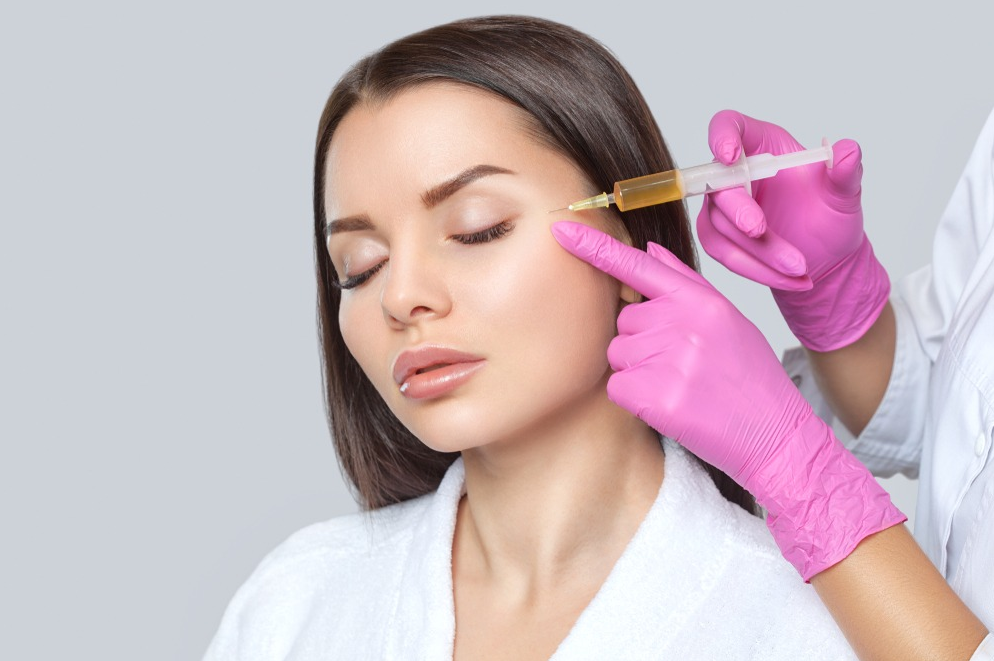
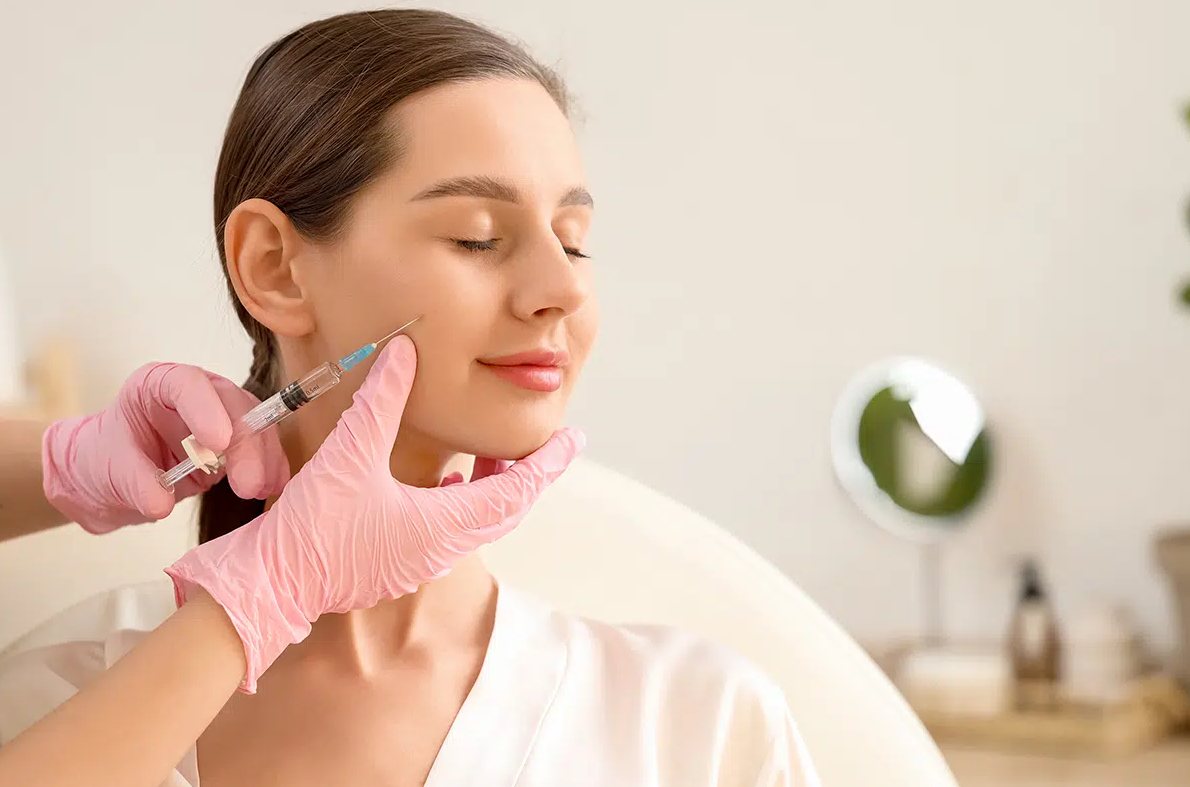
Facial fat grafting uses tissue collected from the patient’s own body to add volume to selected facial areas. The procedure typically involves harvesting fat from a donor location, processing it, and transferring it to the planned treatment sites.
The abdomen and thighs are among the areas that may provide donor fat, depending on the patient’s anatomy and the medical plan.
One characteristic of this approach is that it uses the patient’s own tissue rather than a manufactured injectable material. However, the procedure remains surgical and requires careful planning.
Not all transferred fat survives in its new location. Some is naturally reabsorbed during healing, so the amount of retained volume varies between individuals. This is an important consideration when discussing expected outcomes.
Why Treatment Planning Should Be Conservative
Adding volume is not simply a matter of filling every hollow area. The amount and placement of transferred fat can influence the appearance of surrounding features.
A treatment plan should consider facial proportions, tissue characteristics, available donor fat, and the patient’s preferences. In some cases, a subtle change may be more appropriate than a noticeable increase in fullness.
The practitioner should also explain which concerns are unlikely to improve through fat transfer alone. For example, significant skin laxity may require a different approach.
Patients should avoid expecting their results to match photographs of other people. Differences in anatomy and healing make individual outcomes difficult to predict.
Recovery and the Gradual Development of Results
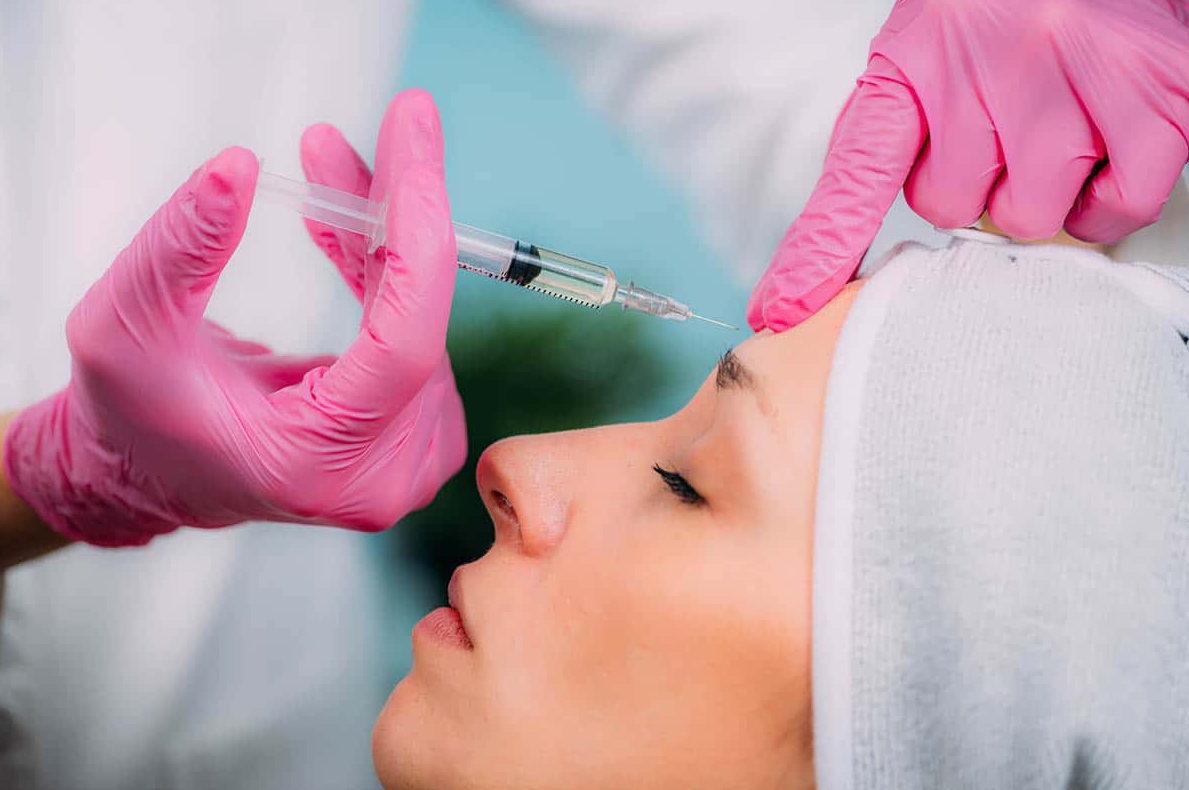
Recovery is an important part of the treatment process. Patients may experience swelling, bruising, tenderness, and temporary asymmetry in the treated areas. The donor area can also require time to heal.
During the early stages, the face may appear fuller because of swelling. As recovery progresses, swelling decreases and some transferred fat is reabsorbed. Therefore, the initial appearance should not be considered the final result.
Patients should follow their surgeon’s instructions about activity, wound care, sleeping positions, and follow-up appointments. They should also clarify when they can return to exercise and their usual daily routine.
Severe pain, unusual skin discoloration, vision changes, or rapidly worsening swelling require urgent medical evaluation.
Understanding Safety Before Choosing a Procedure
Although facial fat grafting uses the patient’s own tissue, it carries potential complications. These may include infection, bleeding, asymmetry, contour irregularities, fat necrosis, and changes in sensation.
Rare but serious vascular complications can also occur. Patients should discuss these possibilities with a qualified medical professional and understand how complications are managed.
Before proceeding, it is sensible to ask about the practitioner’s qualifications, experience with facial fat transfer, surgical setting, anesthesia, and follow-up care.
A thorough consultation should also cover medical history, medications, previous procedures, and realistic treatment goals. Prescribed medication should never be stopped without advice from the healthcare professional responsible for it.
A More Thoughtful Approach to Aesthetic Choices
Cosmetic procedures are personal decisions, and there is no single treatment suitable for everyone. Some individuals may benefit from volume restoration, while others may prefer a different approach or decide against treatment.
The most useful decision is one based on accurate information rather than temporary beauty trends. Patients should have enough time to consider the benefits, risks, alternatives, and financial commitment.
Facial rejuvenation should support individual preferences while respecting natural proportions. A qualified practitioner can help determine whether a proposed treatment is medically appropriate.
Final Thoughts
Facial fat grafting offers an option for addressing selected areas of volume loss and improving certain facial contours. However, its results depend on individual anatomy, fat retention, surgical technique, and the healing process.
Understanding how facial structures relate to one another makes it easier to approach treatment planning realistically. Careful assessment, open communication, and appropriate medical guidance remain essential parts of any aesthetic decision.