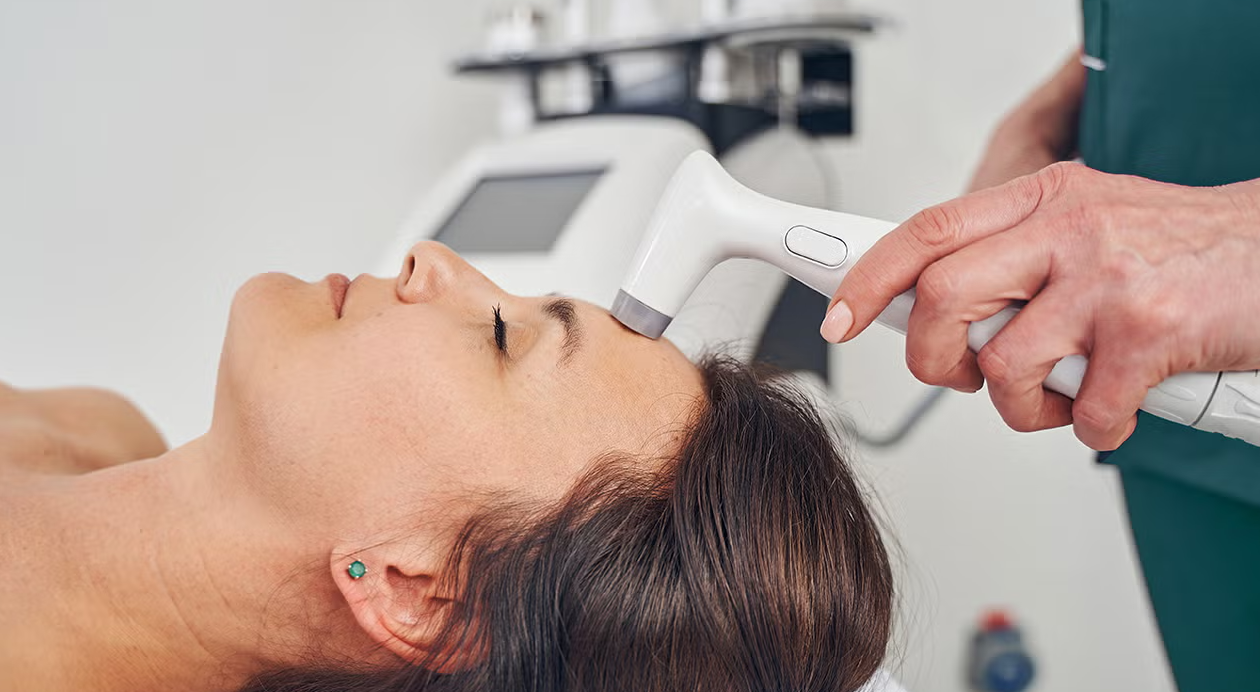
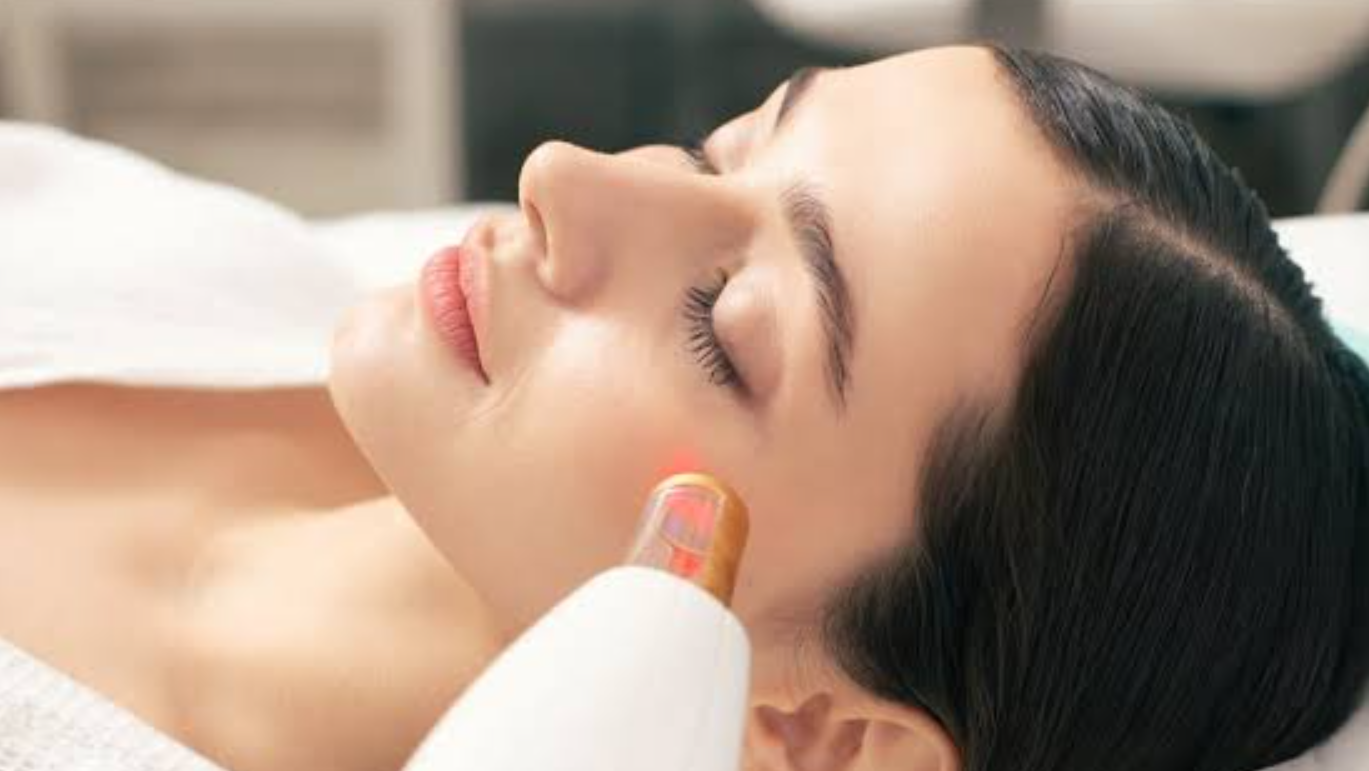
A good skincare routine can help keep the complexion clean, hydrated, and protected, but some skin concerns require a more targeted approach. Fine lines, uneven texture, pigmentation, and marks left by previous breakouts may remain noticeable despite consistent daily care. Professional aesthetic treatments can provide additional options for people who want to focus on these concerns. Facial laser resurfacing uses controlled laser energy to treat selected areas of the skin and may support a smoother, more refreshed appearance. Coolaser Clinic provides professional aesthetic services for individuals exploring personalized approaches to skin care and rejuvenation.
Daily Skincare Has Its Limits
Cleansing, moisturizing, and applying sunscreen are important parts of maintaining healthy-looking skin. These habits can support the skin barrier and help reduce the effects of everyday environmental exposure.
However, skincare products cannot always address every visible concern. Changes that have developed over many years may require a different type of approach. This does not mean that daily skincare is unnecessary. Instead, professional procedures can sometimes complement an established routine.
Understanding the difference between maintenance and targeted treatment can help people make more informed decisions about their skin.
Common Reasons People Explore Resurfacing
People may consider laser resurfacing for a variety of cosmetic concerns. The specific suitability of treatment depends on the person’s skin and the technology being used.
Concerns that may be discussed during a consultation include:
- Uneven skin texture
- Fine lines
- Mild to moderate surface irregularities
- Certain pigmentation concerns
- Acne-related textural changes
- Sun-related skin changes
- Dull-looking complexion
The goal is not necessarily to change the appearance of the entire face. A treatment plan can focus on specific areas where the patient would like to see improvement.
How Laser Resurfacing Differs From Basic Facials
Facials and professional skincare treatments can provide cleansing, hydration, and other short-term benefits. Laser resurfacing works differently because it uses concentrated energy to interact with the skin.
Depending on the technology, laser energy may affect the outer layer of the skin or create controlled treatment zones at a deeper level. The body then begins its natural recovery process.
Because these procedures work differently from standard facials, they may involve preparation and recovery requirements that patients should understand before treatment.
Choosing the Right Treatment Approach
There is no single laser procedure that works identically for everyone. Different technologies are designed for different purposes, and treatment intensity can vary.
A provider may consider several factors before recommending an approach, including skin type, sensitivity, pigmentation, texture concerns, treatment area, and desired results.
A personalized plan can also take lifestyle into account. Someone with limited time for recovery may need to discuss a different treatment approach from someone who can accommodate a longer period of visible healing.
Preparing Before Your Appointment
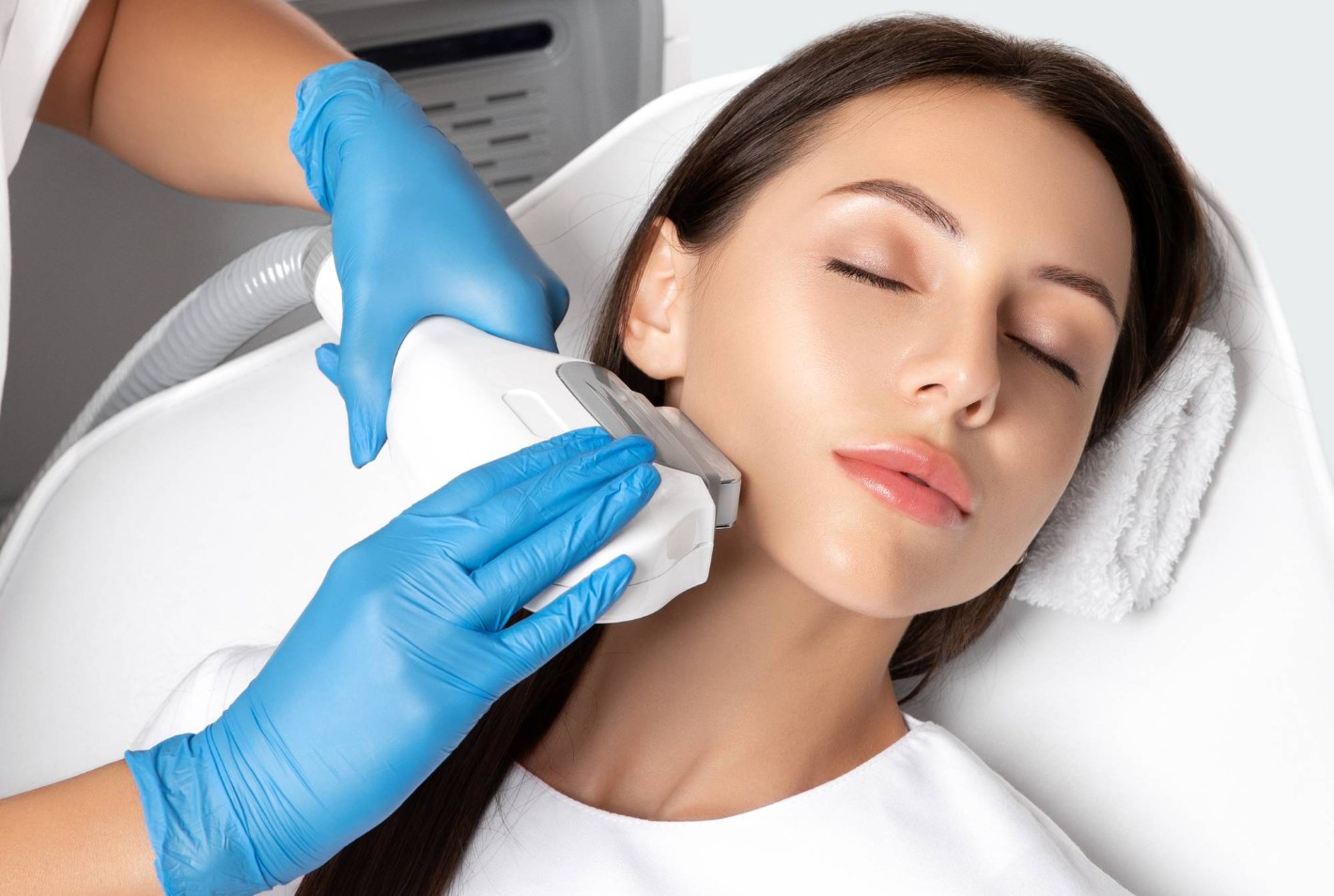
Preparation can help create a better treatment experience. The exact instructions will depend on the procedure, so patients should follow the guidance provided by their professional.
Protecting the skin from excessive sun exposure is often an important consideration. Patients should also tell their provider about current skincare products, recent treatments, and any relevant medications.
Some skincare ingredients or cosmetic procedures may need to be paused temporarily. Following professional instructions is preferable to making independent changes immediately before treatment.
Recovery Is Part of the Treatment
The treatment itself is only one part of the process. Recovery can also influence the overall experience.
Depending on the intensity of the procedure, patients may experience temporary redness, dryness, sensitivity, swelling, or peeling. These effects can vary significantly.
During recovery, the skin generally benefits from gentle care. Patients should avoid unnecessary irritation and follow the specific aftercare recommendations provided by their treatment professional.
Sun protection also becomes particularly important because newly treated skin can require additional protection from ultraviolet exposure.
When Will You Notice Changes?
The timeline for visible changes depends on the treatment and the individual. Some people may notice improvements relatively soon, while other changes can develop gradually as the skin recovers.
It is important not to judge the final outcome immediately after treatment. Temporary redness or sensitivity can make the skin look different during the early recovery period.
The provider can explain the expected timeline during consultation and clarify whether more than one session may be considered.
Maintaining the Skin After Resurfacing
Professional treatment does not eliminate the need for everyday skin care. In fact, maintaining a consistent routine can be especially useful after recovery.
A simple routine may include:
- Gentle cleansing
- Regular moisturizing
- Daily sunscreen
- Avoiding unnecessary skin irritation
- Following recommended professional skincare guidance
Healthy lifestyle habits can also support the overall appearance of the skin. Adequate hydration, balanced nutrition, and protection from excessive sun exposure can all complement a professional treatment plan.
What to Discuss During a Consultation
A consultation gives patients the opportunity to understand the procedure before making a decision. Rather than focusing only on potential results, it is useful to discuss the complete treatment experience.
Questions may include:
- Which laser technology is being considered?
- What skin concerns can it address?
- How much downtime should be expected?
- What preparation is required?
- What should be avoided during recovery?
- When can regular skincare products be resumed?
- Could additional sessions be recommended?
Clear communication can help patients understand whether the treatment fits their goals, schedule, and expectations.
A Personalized Approach Can Make a Difference
Skin care is highly individual. A routine that works well for one person may not be appropriate for another, and the same applies to aesthetic procedures.
Facial laser resurfacing can be considered as part of a personalized strategy when specific skin concerns call for more targeted attention. The most suitable approach depends on professional assessment, treatment goals, skin characteristics, and the patient’s ability to follow preparation and aftercare instructions.
Final Thoughts
Maintaining attractive, healthy-looking skin involves more than choosing the right products. Daily care provides an important foundation, while professional treatments can offer additional options for concerns that remain visible over time.
Facial laser resurfacing may be an option for people interested in addressing texture, fine lines, pigmentation, and other selected concerns. With appropriate treatment planning, realistic expectations, and consistent aftercare, it can become one component of a broader beauty and skincare routine.