Beauty standards continue to evolve. While dramatic cosmetic changes once attracted considerable attention, many people now show greater interest in treatments that support a refreshed appearance without significantly changing their natural features. This shift has brought renewed attention to procedures that focus on skin quality. Facial PRP Therapy is one such option, using platelet-rich plasma prepared from a patient’s own blood. Those exploring modern facial treatments can find further information at Coolaser Clinic.
The Growing Preference for Subtle Aesthetic Changes
A refreshed appearance does not necessarily require a dramatic transformation. Many people prefer to maintain their recognizable facial features while addressing concerns such as uneven texture, fine lines, or changes in skin firmness.
This preference has influenced the way aesthetic professionals approach treatment planning. Instead of recommending the same procedure to everyone, practitioners increasingly consider facial anatomy, skin condition, medical history, and personal expectations.
The result is a more individualized approach to beauty. Patients can explore different options while keeping their natural appearance and long-term skin health in mind.
What Makes PRP Different From Traditional Cosmetic Treatments?
Many cosmetic procedures use specially formulated products to hydrate the skin, reduce wrinkles, or restore lost volume. PRP follows a different approach because it uses a component obtained from the patient’s own blood.
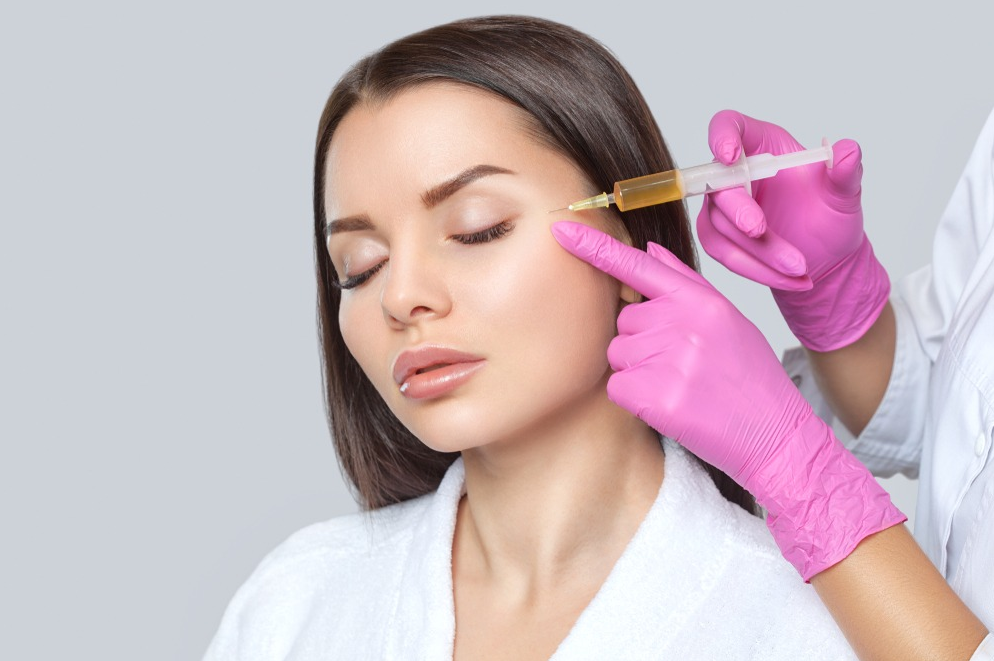
The preparation process begins with collecting a small blood sample. A centrifuge separates the blood components and produces plasma containing a higher concentration of platelets.
Platelets release growth factors and signaling proteins involved in the body’s natural response to tissue injury. Researchers have been studying these biological properties to understand whether they may have useful applications in dermatology and aesthetic medicine.
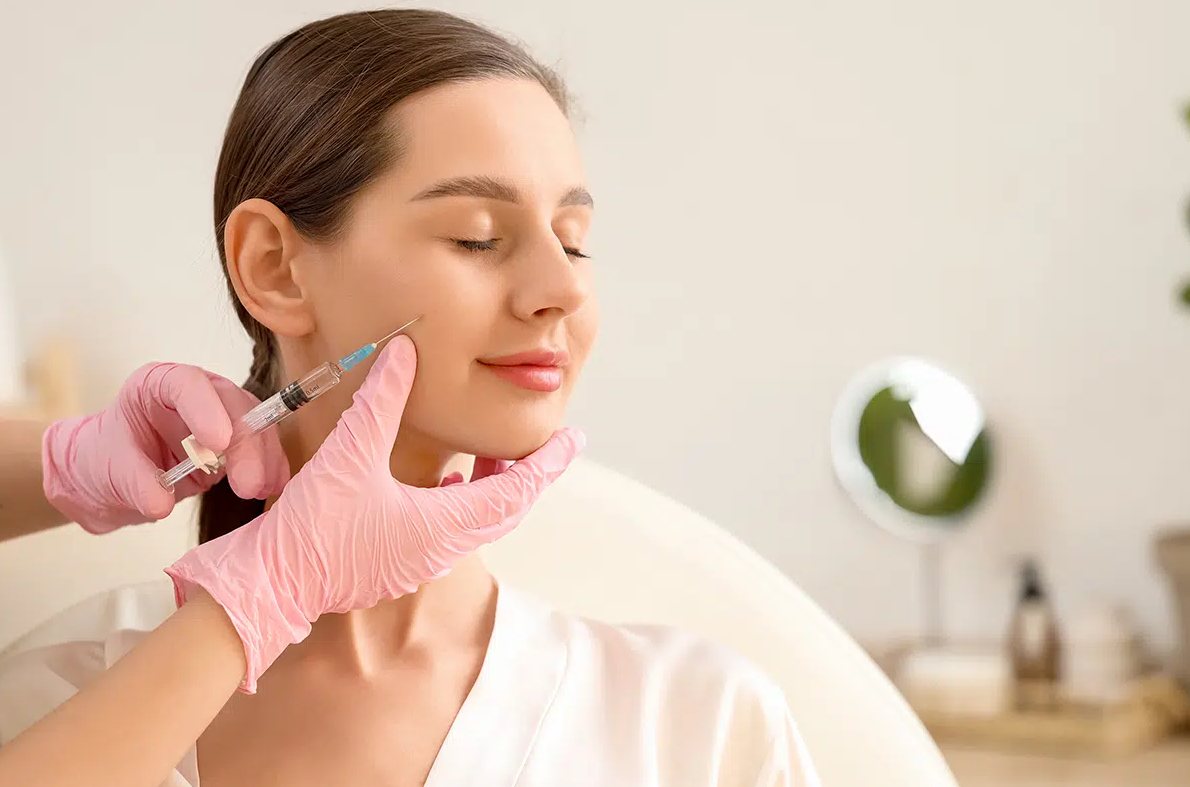
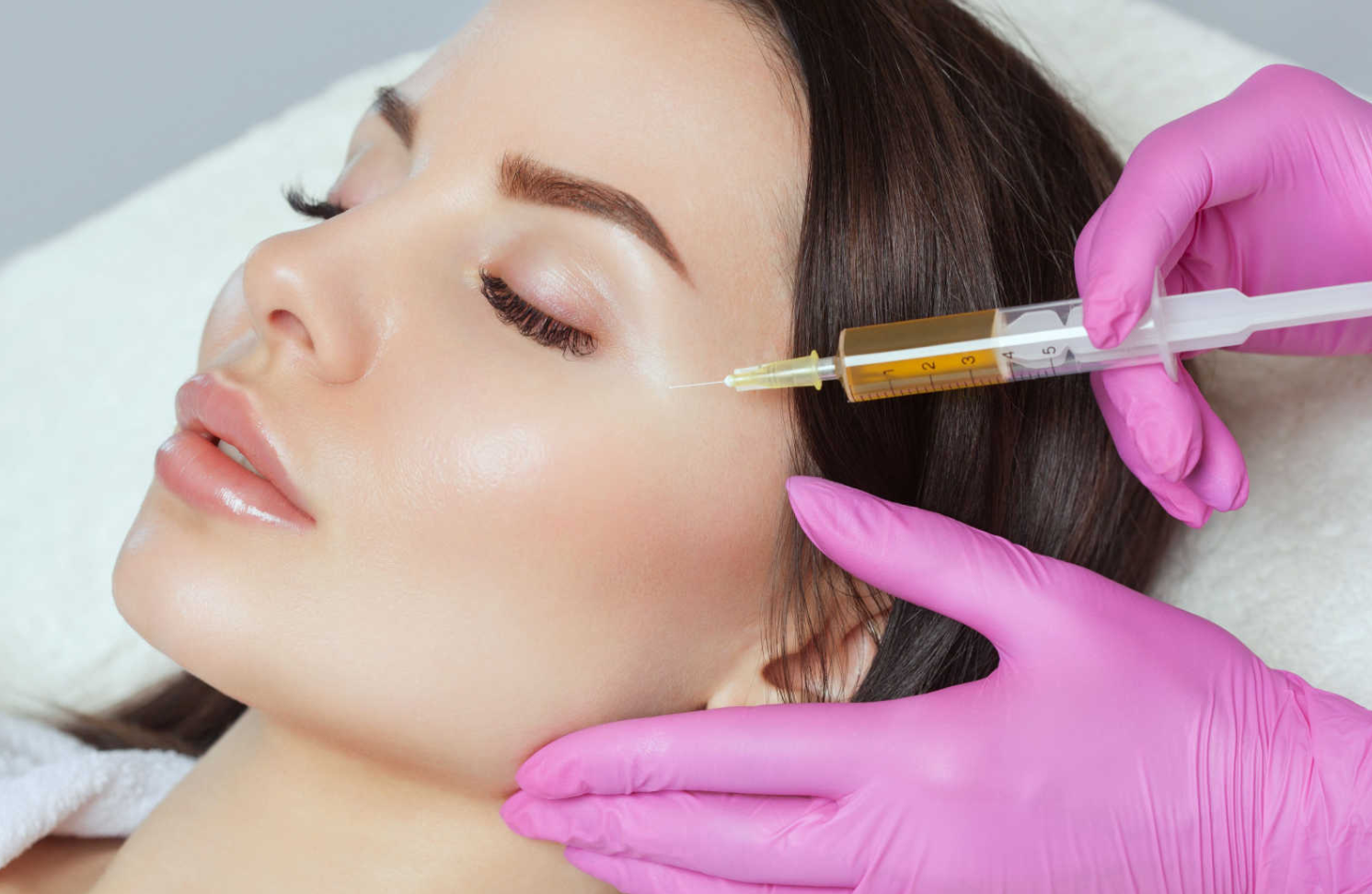
During Facial PRP Therapy, the prepared plasma is administered to selected facial areas using a technique chosen by the practitioner.
Understanding the Connection Between Platelets and Skin
Skin is a complex organ that constantly responds to environmental exposure and natural biological changes. Its condition depends on several processes, including collagen production, cellular activity, hydration, and tissue repair.
Platelets participate in some of the body’s normal repair mechanisms. Their growth factors have attracted scientific interest because they may influence cellular signaling and tissue responses.
This is one reason researchers continue to investigate PRP in aesthetic dermatology. However, laboratory findings and biological mechanisms do not automatically establish a specific cosmetic benefit.
Clinical studies have reported different outcomes, and researchers are still examining which preparation methods and treatment protocols may be most appropriate. Patients should therefore approach claims about skin renewal with realistic expectations.
Which Skin Concerns Can Lead to a Consultation?
People consider professional skin treatments for different reasons. Some notice early signs of aging, while others are more concerned about changes caused by sun exposure or previous skin conditions.
A consultation may involve discussing:
- Fine lines and visible wrinkles
- Uneven skin texture
- Reduced skin firmness
- Signs of photoaging
- Changes in the appearance of delicate facial areas
- General concerns about skin quality
Facial PRP Therapy is not designed to address every issue on this list equally. For example, significant volume loss, deep wrinkles, and certain pigmentation concerns may require other treatments.
A practitioner should identify the underlying cause before recommending a procedure. This helps prevent unrealistic expectations and supports a more suitable treatment plan.
Why Personalization Matters More Than Beauty Trends
Aesthetic procedures should be selected according to individual needs rather than popularity.
Two patients with similar concerns may have different medical histories, skin characteristics, and treatment goals. One may be suitable for PRP, while another may benefit more from a different approach.
The consultation should include a review of relevant health conditions, current medications, possible contraindications, and previous cosmetic procedures.
Patients should also understand that PRP protocols vary. The concentration of platelets, preparation system, administration method, and number of sessions can differ between providers.
A clear explanation of the planned procedure is an important part of informed consent.
What to Expect After Treatment
PRP procedures involve blood collection and may include injections into the facial skin. Temporary redness, swelling, tenderness, or bruising can occur.
The recovery period varies according to the technique and individual response. Practitioners usually provide instructions about cleansing, skincare products, sun exposure, and activities that should be limited temporarily.
Although the material comes from the patient’s own blood, the procedure still carries risks. Infection, bleeding, and other complications are possible, which makes sterile preparation and qualified administration essential.
Patients should contact their practitioner if they experience unexpected or persistent symptoms.
Building a Skin Routine That Supports Long-Term Care
Professional procedures are only one part of maintaining healthy-looking skin. Everyday habits remain important regardless of whether someone chooses PRP or another aesthetic treatment.
A consistent routine can include gentle cleansing, suitable moisturization, and regular broad-spectrum sunscreen use. Avoiding smoking and limiting excessive sun exposure may also help reduce factors associated with premature skin aging.
After an aesthetic procedure, patients should follow the aftercare instructions rather than immediately returning to every product in their usual routine.
These simple practices do not guarantee cosmetic results, but they provide a sensible foundation for long-term skin care.
Final Thoughts
Modern aesthetic medicine offers a growing range of procedures for people who want to address visible skin changes while maintaining their natural appearance. Facial PRP Therapy stands out because it uses platelet-rich plasma obtained from the patient’s own blood and continues to attract scientific interest.
Nevertheless, its potential benefits should be considered alongside the limitations of current research and the risks associated with injections. Individual assessment, appropriate treatment planning, and realistic expectations remain essential when choosing any professional skin procedure.